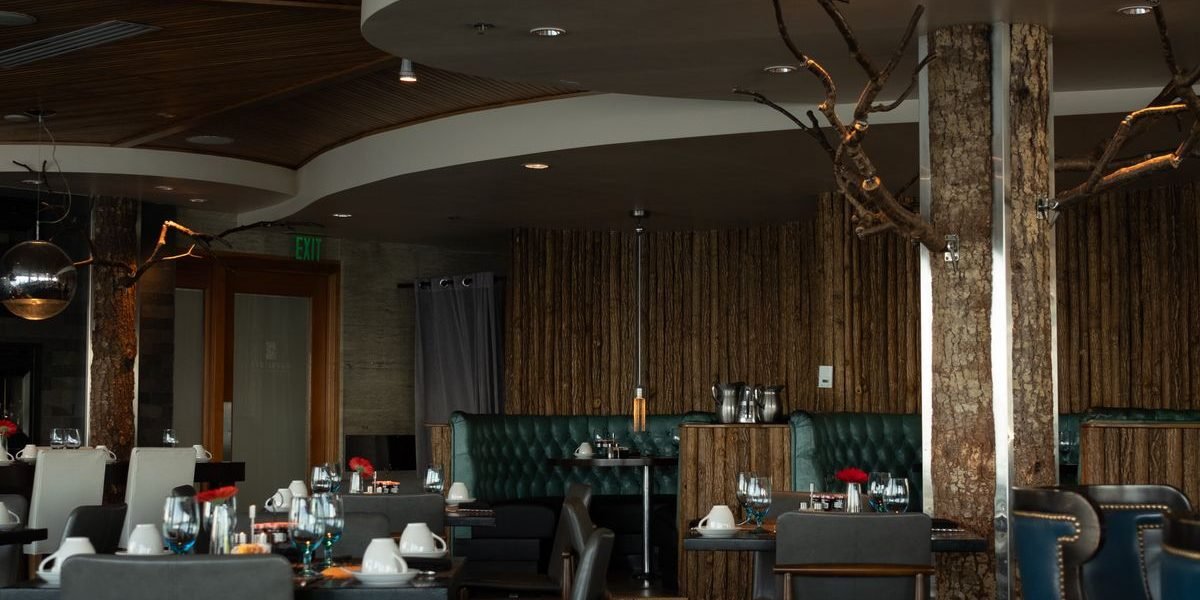
Every restaurant owner knows the pattern. Friday and Saturday take care of themselves. The dining room is full, the kitchen is stretched, and turning people away feels like a good problem. Then Tuesday arrives, and half the tables sit empty while the same rent, the same staff costs and the same food preparation run anyway.
The mistake is treating Tuesday as a demand problem. In most towns, the demand is there. People eat out on weeknights all the time — they just do not think of your restaurant when they decide where to go, and when they do, booking feels like just enough effort to put off until Friday. The weeknight fill system fixes both halves: it puts your restaurant in front of people at the moment they decide, and it makes booking the easiest part of their evening.
The direct answer: how restaurants fill quiet weeknights
Restaurants fill quiet weeknights by giving people a specific reason to come on that night, making the restaurant easy to find and book at decision time, and following up with past guests before the week begins. The system has four parts: one recurring weeknight offer that is worth coming out for, a Google Business Profile and local search presence that captures “near me” searches, instant booking replies on every channel, and a short Monday message to past guests. Together these turn an empty Tuesday into a planned evening out, without relying on heavy discounts.
Why discounts alone do not fix a Tuesday
The instinct is to cut prices: two-for-one mains, half-price Tuesdays, a voucher blasted everywhere. Discounts do fill seats, but they train guests to wait for the discount, and they bring in the guests least likely to return at full price. Worse, a discounted Tuesday guest who has a mediocre experience — slow service because the kitchen was not expecting a rush, or a limited menu that feels like a punishment — does not come back on Friday either.
A better weeknight offer gives a reason that is not just “cheaper”. It could be a Tuesday-only dish that is genuinely worth trying, a chef’s tasting menu available only on weeknights, a local-producer evening, a quiz night, or a set menu that makes ordering fast for people who have work tomorrow. The offer should be easy to explain in one sentence, easy to photograph, and repeatable every week so guests can build a habit around it. Habits, not one-off vouchers, are what fill a diary.
Step 1: Be found at the moment of decision
Weeknight diners decide differently from weekend planners. Weekend meals are booked days ahead; weeknight meals are often decided at 5 pm, on a phone, with a search like “restaurants near me open now” or “best pasta near [town]”. If your Google Business Profile is thin — old photos, no recent posts, unanswered reviews, wrong opening hours — you lose that search before the guest ever sees your menu.
Fix the basics first, because they cost nothing but attention. Keep opening hours accurate, including holiday hours. Add fresh photos every month: real dishes, the real dining room, real staff at work. Post your weeknight offer on the profile itself, not only on social media. Answer every review, including the awkward ones, because a thoughtful reply to a complaint tells a browsing guest more about your standards than a perfect five-star run. Add a booking link directly to the profile so the guest never has to hunt for it.
Then check what local search actually shows for your dishes. A page or post that answers “where to eat [dish] in [town] on a weeknight” in plain language, with your menu, your hours and a booking button, will outrank a beautiful homepage that says nothing specific. Specificity is what weeknight search rewards.

Step 2: Make booking instant, on every channel
A guest who decides at 5:30 pm will not wait until tomorrow for a reply. They message on Instagram, on WhatsApp, or through website chat, and if the answer comes at 10 am the next day, the table has already gone to the place that replied in two minutes.
This is where a simple automated reply system earns its keep. A restaurant AI auto-reply answers the common questions — opening hours, whether you cater for allergies, whether walk-ins are welcome, tonight’s availability — and offers real bookable times instead of “we will check and get back to you”. A guest offered “tonight at 7:00 or 7:45, table for two — shall I book 7:00?” can say yes in one word. A guest told to wait usually does not come back.
The same system should handle the after-hours messages that restaurants lose most: the Sunday-night enquiry about a Tuesday birthday, the message sent while the team is in the middle of service. Every one of those is a weeknight table waiting to be booked, and the reply has to arrive while the guest is still deciding, not after they have decided elsewhere.
Step 3: Message past guests before the week begins
Your cheapest weeknight guests are the people who have already eaten with you. They liked the food, they know where you are, and they need only a nudge. A short Monday message to recent guests — by email, WhatsApp where they have opted in, or SMS — works far better than a generic social post, because it lands with people who already trust you.
Keep it short and specific: this week’s Tuesday dish, one photograph, the booking link, and nothing else. One message, one offer, one action. Restaurants that send a weekly message like this, every week without fail, build a quiet list of regular weeknight guests over a few months. The list is an asset no algorithm can take away, and it costs nothing per send compared with paid ads.
Step 4: Measure the Tuesday, not just the weekend
If you only look at total weekly covers, a good Friday hides a bad Tuesday for months. Split the numbers by day of the week: covers, average spend per head, and bookings versus walk-ins, for each weekday separately. Then test one change at a time for four weeks — a new Tuesday dish, a Google post, a Monday message — and watch that day’s numbers only. Restaurants that treat each weekday as its own small business, with its own offer and its own audience, stop guessing about quiet nights and start managing them.
Nobody thinks of you on Tuesday — a generic discount blast — one repeatable Tuesday-only reason to visit, posted where guests search.
Guests find you but do not book — no booking link on Google or social — booking button on the profile, the menu page and every message reply.
Enquiries answered too late — staff reply when service allows — instant auto-reply offering real times on Instagram, WhatsApp and website chat.
One good week, then quiet again — a one-off promotion — a weekly Monday message to past guests, sent every week without fail.
No idea what worked — total weekly covers only — covers and spend split by weekday, one change tested for four weeks.
A four-week starter plan
Week one: fix the Google Business Profile, add the booking link, and photograph this week’s weeknight dish properly. Week two: launch one repeatable Tuesday offer and post it on the profile, the website and social media in the same words, so guests hear one clear message. Week three: switch on instant replies for bookings and test them yourself on Instagram and WhatsApp. Week four: send the first Monday message to past guests and record Tuesday’s covers separately. Four weeks will not transform a restaurant, but it will show, in real numbers, whether Tuesday is moving — and that evidence is what justifies keeping the system going.
Frequently asked questions
Will a weeknight offer not just move my Friday guests to Tuesday? Some will move, and that is fine — a Tuesday guest who pays full price for a set menu is better than an empty Tuesday table, and Friday demand usually refills itself. Keep the offer genuinely weeknight-only, and keep Friday as it is.
Do I need paid ads to fill weeknights? Not to start. Local search, your Google profile and messages to past guests are free or nearly free, and they reach people already near you. Paid ads make sense later, targeted at people searching for restaurants nearby in the early evening, once the booking system already converts well.
What if guests only book by phone? Keep the phone, but add a text-back: when a call is missed during service, an automatic message offers tonight’s times and a booking link. Many phone guests will book by text if the option is offered at the exact moment they called.
How do I handle allergies and dietary questions in an automated reply? The system should answer standard questions from your real menu information and hand over anything complex — severe allergies, large-party menus, private hire — to a person immediately. Never let an automated answer guess about allergens.
How long before I see a difference? Expect early signals in two to three weeks — more enquiries, more Tuesday bookings — and a reliable pattern after two to three months of weekly consistency. Weeknight habits take a few repetitions to form, which is why the system must run every week, not as a one-off campaign.
The bottom line
Friday fills itself. Tuesday is where a restaurant’s management shows. Give guests one clear reason to come on a weeknight, be easy to find and instant to book at the moment they decide, and remind past guests every single Monday. Do that weekly, measure it by weekday, and the quiet nights stop being a mystery and start being a diary you can plan around.
If quiet weeknights are costing your restaurant, book a free consultation and we will map a weeknight fill system for your menu, your area and your booking setup.
Related reading: WhatsApp automation and Meta ads that convert.