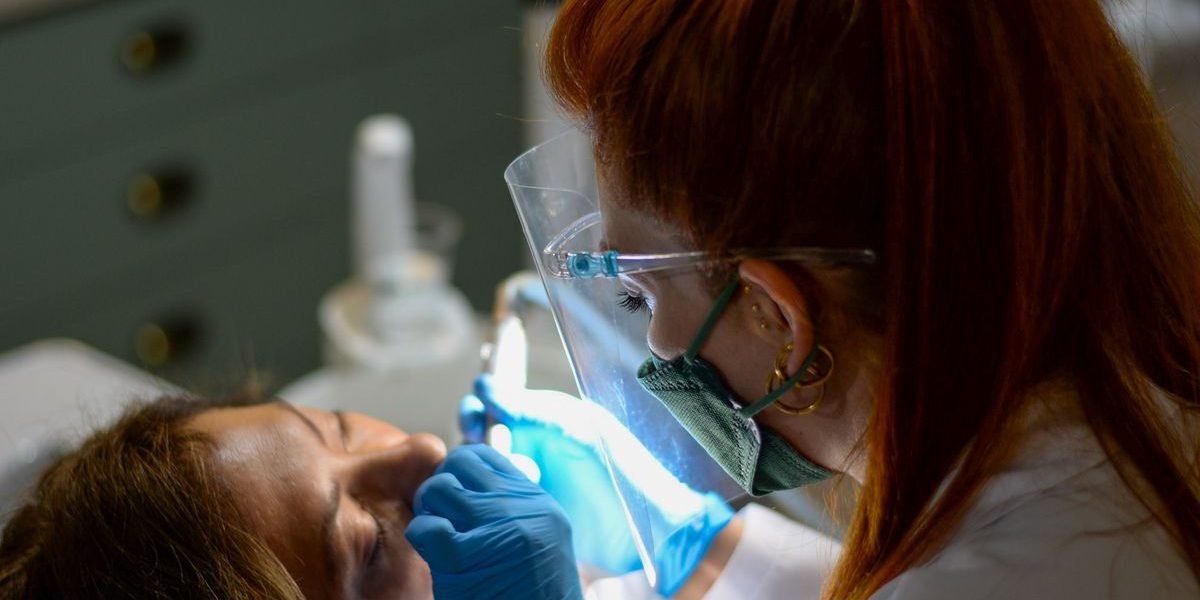
Every dental clinic owner knows the feeling. The phone rings while the team is with a patient, or after the practice has closed for the day, and by the time anyone calls back, the caller has already booked somewhere else. It rarely feels like a crisis, because no single missed call looks expensive. Added up over a month, though, missed calls are one of the most expensive problems a clinic has — especially when the caller wanted an implant, Invisalign, or veneers consultation.
High-value treatments are not impulse purchases. The patient has usually spent weeks researching, comparing clinics, and building up the courage to enquire. When they finally pick up the phone, they are ready to talk. If nobody answers, that readiness does not wait. Most callers who reach voicemail simply call the next business on their list. The clinic that answers first usually wins the consultation. This guide builds on our dental clinic marketing approach to winning those patients.
Why missed calls hurt dental clinics more than most businesses
A missed call to a restaurant might cost one table. A missed call to a dental clinic can cost a treatment plan worth thousands. That is the first reason this problem deserves attention. The second is timing. Dental enquiries peak at exactly the moments a front desk is least available: lunch breaks, evenings after work, weekends, and holidays. Patients search for a dentist when they have a free moment — which is usually when your team does not.
The third reason is subtler. A patient who cannot reach you does not only disappear; they form an impression. An unanswered phone, a full voicemail box, or a callback three days later all say the same thing: this clinic is hard to reach. For someone already nervous about dental treatment, that is enough reason to choose a competitor who picked up straight away.
The direct answer: what actually fixes missed calls
A dental clinic stops losing after-hours patients when every call and message gets an instant, helpful reply that can book a consultation without waiting for the front desk. The fix is a three-part system: instant text-back on every missed call, an AI receptionist that answers routine questions and offers appointment times, and a next-morning follow-up list so no enquiry is ever left unchased. Clinics that run this system typically recover a large share of the enquiries they used to lose, because speed — not a bigger advertising budget — is what converts a ready patient.
Step 1: Text back every missed call within a minute
The single highest-impact change is also the simplest. The moment a call goes unanswered, the caller automatically receives a friendly text: “Sorry we missed you — would you like us to book you in? Reply YES and we will confirm a time.” This works because it meets the patient where they already are — on their phone — and it keeps the conversation alive while their intent is still warm.
A text-back is not a replacement for a human conversation. It is a bridge. It tells the patient they have been noticed, it captures the enquiry, and it buys your team time to respond properly. Clinics should set this up for every line, including the main practice number, and test it weekly by calling the number themselves and checking the text arrives.
Step 2: Let an AI receptionist handle the first conversation
An AI receptionist answers web chat, Messenger, Instagram messages, and WhatsApp around the clock. It is trained on the clinic’s real information: treatments offered, price ranges, opening hours, location, and how bookings work. When a patient asks about Invisalign cost, implant suitability, or emergency appointments, it answers accurately and then offers the next available consultation slots.
The important distinction is triage. A good system knows the difference between a routine enquiry and an emergency. Swelling, trauma, or severe pain should be routed to urgent instructions immediately, not left in a chat queue. Routine enquiries — price questions, appointment requests, treatment questions — can be handled fully, with a summary passed to the front desk the next morning.
Step 3: Build a next-morning follow-up list that never leaks
Technology alone is not enough. Every morning, the front desk should open one list: every enquiry from the last 24 hours, its status, and its next action. No sticky notes, no scattered voicemails, no “I think someone called about veneers yesterday.” Each enquiry gets one of three outcomes: booked, awaiting reply, or not interested. Anything still awaiting reply at midday gets a second, human follow-up.
This discipline is what turns a tool into a system. The AI receptionist captures the enquiry; the morning list makes sure a human closes it.
| Situation | Old outcome | With the missed-call system |
|---|---|---|
| Call during treatment hours, phone busy | Voicemail, callback days later | Instant text-back, booking offered same day |
| Call after closing | Lost to a competitor | AI reply + morning booking confirmation |
| Website chat at 10 pm | Unanswered until morning | Answered instantly, consultation slot offered |
| Instagram DM about Invisalign | Seen days later, if at all | Answered in minutes, triaged to consultation |
A worked example: one week of missed calls
Imagine a clinic that misses 20 calls a week. Suppose only five of those callers wanted high-value treatment, and suppose the new system recovers just two of them into consultations. Even with a modest consultation-to-treatment conversion rate, those two recovered consultations can be worth more than an entire month of extra advertising — because the patients were already looking for a clinic. They did not need persuading. They needed answering.
That is the core lesson of the missed-call problem: most clinics do not have a lead-generation problem. They have a lead-answering problem, and it is cheaper to fix than to outspend.
Checklist: set up your missed-call system this week
- Turn on automatic text-back for every missed call, on every practice number.
- Write down the five questions patients ask most, and make sure your AI receptionist answers all five accurately.
- Set emergency triage rules: pain, swelling, and trauma go to urgent instructions immediately.
- Create a single morning enquiry list, reviewed by one named person every day.
- Measure it: count missed calls, text-back replies, and consultations booked from recovered enquiries each week.
Frequently asked questions
Will patients mind talking to an AI receptionist instead of a person?
Most patients care about speed and accuracy, not about who typed the reply. When the AI answers in seconds, gives correct information, and hands over to a human for anything complex, satisfaction is usually higher than waiting hours for a callback. Always make it easy to reach a human on request.
What if a patient has a dental emergency out of hours?
Emergency triage must be built in from day one. Severe pain, swelling, bleeding, or trauma should trigger clear urgent-care instructions and an immediate escalation route — never a generic “we will reply soon” message.
Does this replace the front desk?
No. It protects the front desk’s time. Routine enquiries are handled automatically, so the team can focus on the patients in the chair and the conversations that genuinely need a human.
How quickly should a missed call be answered?
Within a minute by text, and by a human within one working day at the latest. Every hour of delay measurably reduces the chance that the patient still books.
Can this work for a single-dentist practice?
Yes — arguably it matters more. A small team misses proportionally more calls, and one recovered implant patient can transform a month’s revenue.
The bottom line
You cannot control when a patient decides to enquire. You can control whether anyone answers. Clinics that answer every enquiry — instantly, helpfully, and with a booking on offer — stop funding their competitors with their own missed calls.
If missed calls are quietly costing your clinic consultations, this is one of the fastest systems to put in place, and one of the few that pays for itself from enquiries you already had. Book a free consultation to put it in place, or explore our services first.